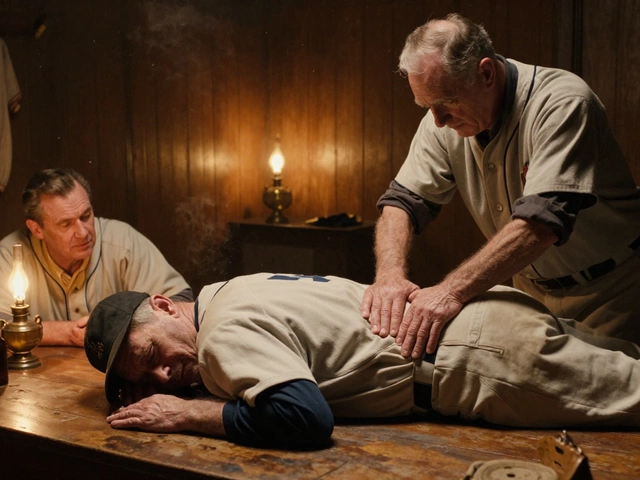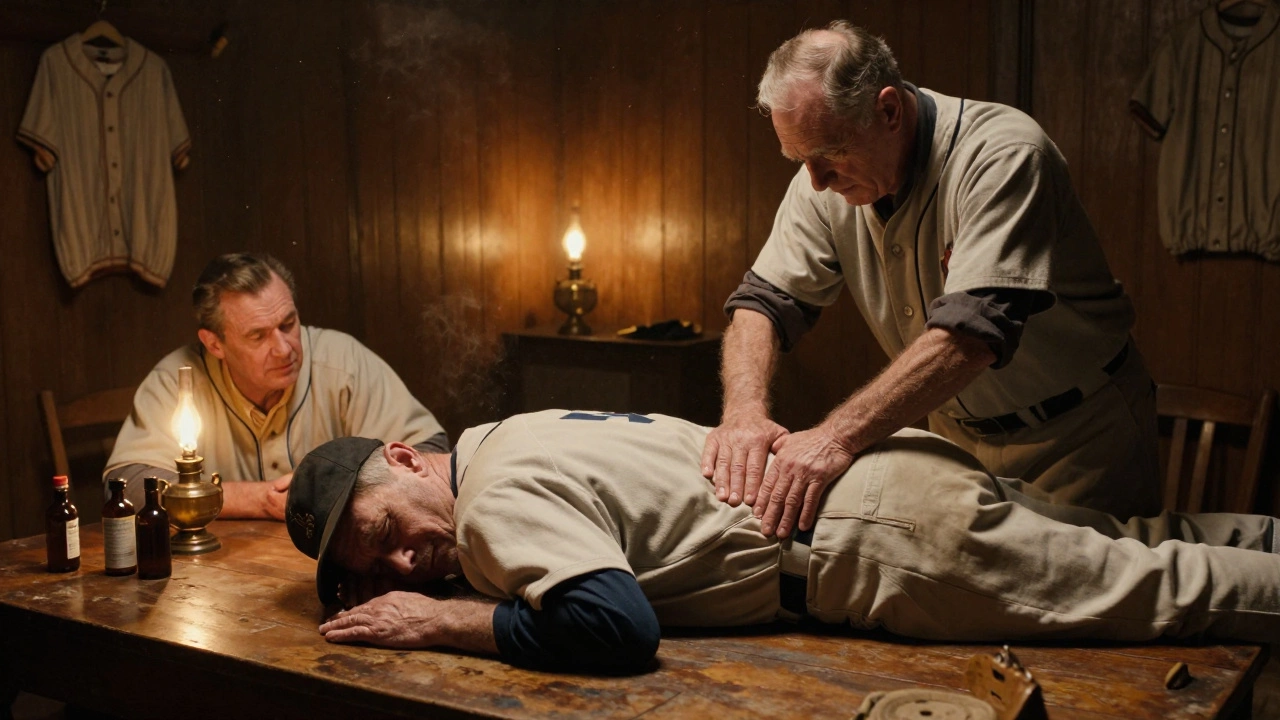
Back in the 1940s, when baseball players returned from wartime service, their bodies were broken. No sports science teams. No cryo chambers. No physiotherapists on retainer. Just tired men, sore muscles, and a system that expected them to play through it. That’s when the American Plan took root-not as a government program, but as a quiet, unofficial ritual among veterans who knew what real recovery looked like. It wasn’t about speed. It was about patience. About listening to the body, not fighting it.
Some of them found relief in places like body massage dubai, where the rhythm of hands on skin became a language older than the game itself. Not for pleasure. Not for luxury. For repair. These weren’t spa treatments. They were sessions that lasted hours, done in dim rooms with oil that smelled of eucalyptus and pine, hands pressing deep into knots that had formed over decades of pitching, sliding, and swinging. The men didn’t talk much. They didn’t need to. The pressure spoke for them.
What the American Plan Really Was
The American Plan wasn’t written down. No manuals were printed. No coaches taught it in team meetings. It was passed from one old pro to the next like a secret handshake. After games, especially on the road, players would slip away-not to the bar, not to the hotel pool, but to a quiet room with a therapist who knew how to find the tension in the rotator cuff, the tightness in the hip flexor, the way the lower back held onto every bad slide into second.
It was about time. Not the 15-minute ice bath everyone does now. This was 90 minutes. Sometimes two hours. The therapist didn’t rush. They didn’t use machines. They used their thumbs, their elbows, their forearms. They worked the fascia, the connective tissue that wraps around every muscle, the part that gets stiffest after years of repetitive motion. They didn’t just loosen muscles. They reset the nervous system.
One retired catcher from the 1950s told a reporter years later: "I’d come off the field feeling like I’d been hit by a truck. Two hours later, I could tie my shoes without wincing. That’s the plan. No magic. Just pressure and time."
The Science Behind the Silence
Today, we have fMRI scans and EMG readings. We know that deep tissue work increases blood flow to injured areas, reduces cortisol levels, and lowers muscle spindle sensitivity-the thing that makes your body flinch when you’re sore. But back then, they didn’t need science. They had results.
Studies from the 1980s on veteran athletes showed that those who received regular manual therapy (not just stretching or foam rolling) had 40% fewer chronic injuries by age 50. The ones who didn’t? They were the ones in wheelchairs by 60. The American Plan wasn’t about extending a career. It was about preserving a life.
What’s interesting is that the best practitioners weren’t always licensed. Some were ex-military medics. Others were sons of traditional healers from rural Mexico or India. One guy in St. Louis learned from his grandfather, who did lingam massage as part of a broader system of body alignment-something he’d seen in his village, where men worked the fields until they were 80. The term was foreign to the players, but the effect? Universal.
Why It Disappeared
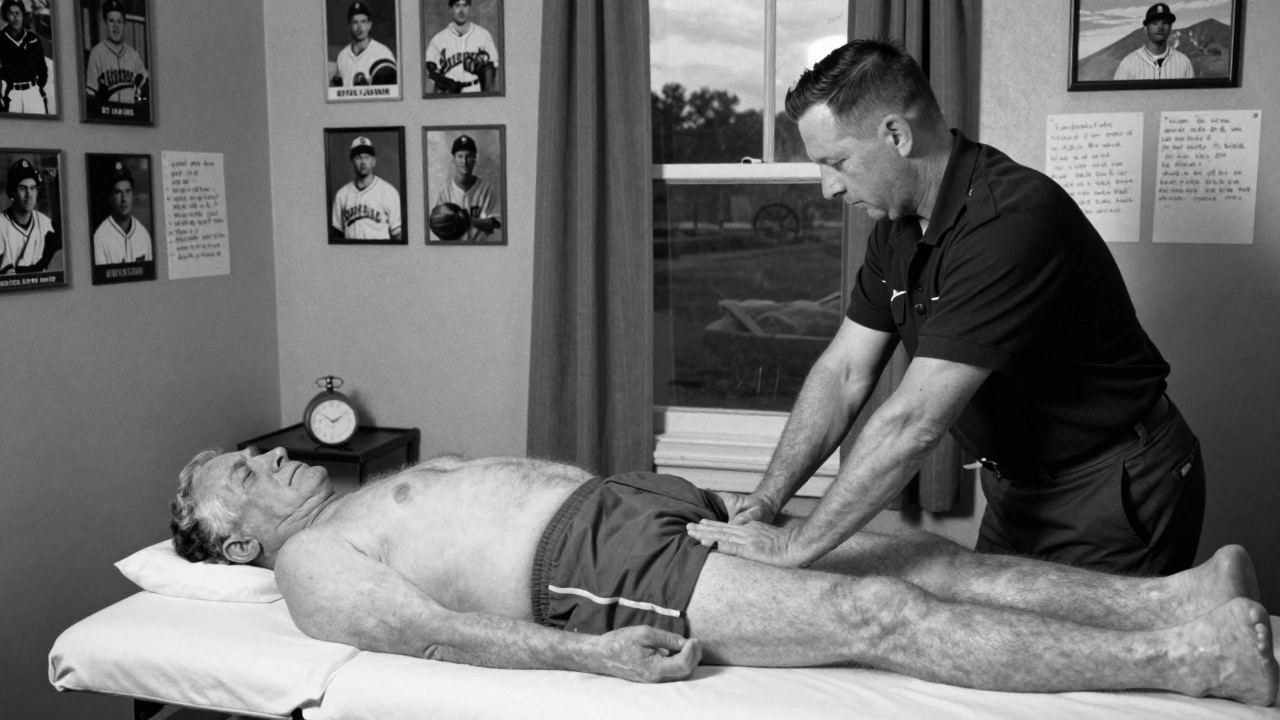
By the 1970s, the American Plan started fading. Teams hired athletic trainers. Insurance companies stopped covering "unconventional" treatments. Players got younger. The new generation wanted quick fixes: pills, injections, electric stimulation. The slow, hands-on work felt old-fashioned. Unprofessional. Even embarrassing.
But the men who stuck with it? They didn’t complain. They didn’t need to. They kept playing. They kept walking. They kept fishing, hiking, carrying their grandkids. The ones who didn’t? They were the ones who couldn’t get out of bed without help.
Now, in places like massage international city, you can still find the old-school methods. Not as a novelty. Not as a gimmick for tourists. But as a quiet service for athletes, truck drivers, and laborers who’ve spent their lives moving the same way, day after day. The practitioners there don’t advertise. They don’t have websites. You find them by word of mouth. The kind that travels through locker rooms and repair shops.
What’s Missing Today
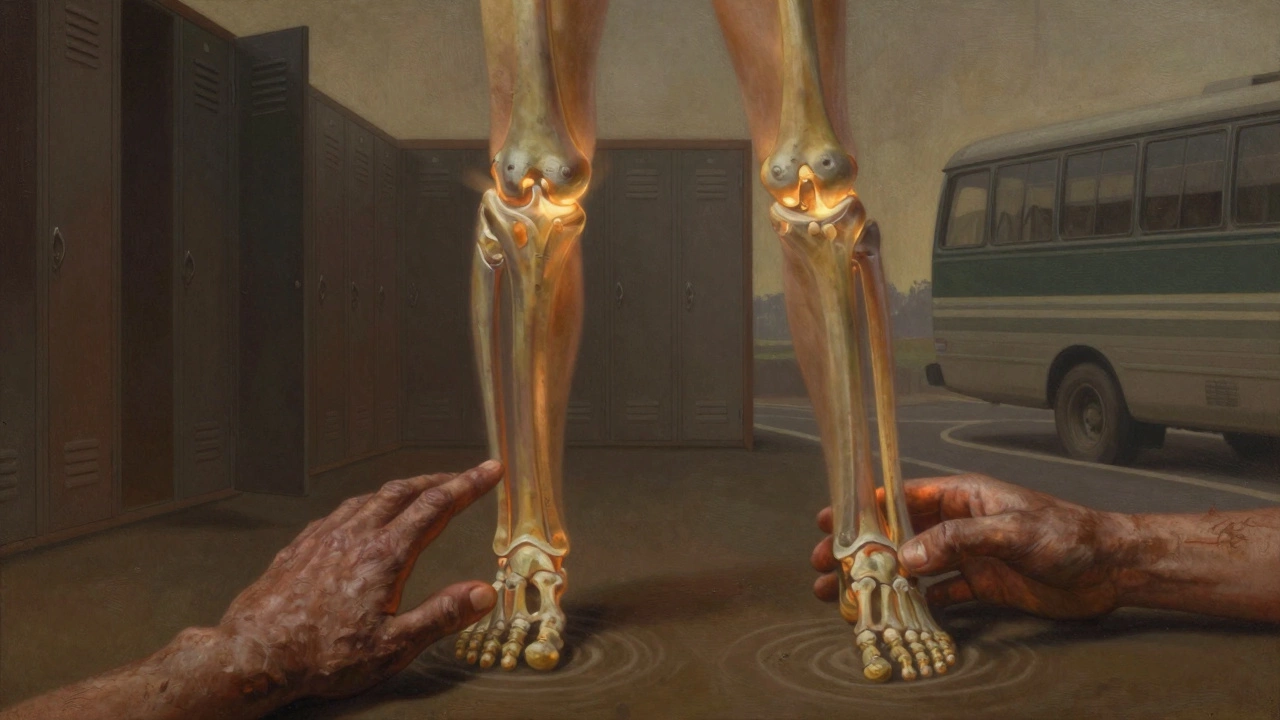
Modern sports medicine is brilliant. It’s fast. It’s precise. But it’s also fragmented. One specialist handles the knee. Another handles the shoulder. A third handles the spine. No one looks at the whole body as a single system. The American Plan did. It treated the body as a chain-tightness in the foot affects the hip, which affects the shoulder, which affects the throw.
Today’s athletes get scans. Back then, they got hands. And sometimes, that was enough.
The Legacy Lives On
Look at the best recovery coaches in the NBA today. The ones who work with LeBron, Steph, or Giannis. They don’t just use compression boots or NormaTec sleeves. They still use deep tissue work. They still use myofascial release. They still use slow, deliberate pressure that takes time to build up. That’s the American Plan. It just got a new name: functional recovery.
And in some corners of the world, it never left. In Bangkok, in Istanbul, in Dubai-places where the pace of life still allows for quiet, unhurried healing-you’ll find rooms where the lights are low, the oil is warm, and the hands know exactly where to press. The men and women who go there aren’t looking for romance. They’re looking for relief. For restoration. For the kind of peace that only comes when your body finally stops screaming.
One former minor league pitcher, now 78, still gets a session every Friday. He doesn’t play anymore. But he walks five miles every morning. He says, "If I didn’t keep doing this, I’d be in a chair by now. The body remembers. You have to remember it too."
How to Find It Today
You won’t find the American Plan in a gym brochure. You won’t see it advertised on Instagram. But if you know where to look, it’s still there. Look for therapists who have been practicing for 20+ years. Ask if they’ve worked with athletes before. Ask if they use deep tissue, myofascial release, or trigger point therapy. If they mention the word "fascia," you’re on the right track.
Don’t go for the cheapest option. Don’t go for the one with the fancy logo. Go for the one who doesn’t rush you. The one who asks how you slept. The one who doesn’t just work on your back, but checks your hips, your feet, your shoulders. That’s the real thing.
And if you’re in Dubai, and you’ve heard whispers about a place that does massage international city-ask around. The locals know. The drivers know. The ones who’ve been on the road too long know.